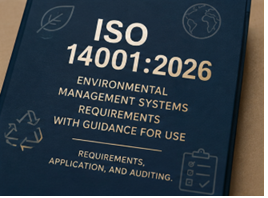

ISO 14001:2026 Environmental management systems – Requirements with guidance for use. Requirements, application, and auditing.

Categories: Quality Tools
Wishlist Share
Take Your First Course Free

New trainees can take their first course free. Register or log in to get started, then return to this course to claim your free enrollment.

TAKE THIS COURSE FOR FREE

About Course

Build your understanding of environmental management with this self-paced ISO 14001:2026 course. You’ll learn how to apply the standard’s requirements, evaluate environmental management practices, and conduct audits that identify gaps and opportunities for improvement.

Whether you’re supporting your organization’s environmental program, preparing for an audit, or expanding your professional skills, this course connects the requirements to practical responsibilities. Learn on your schedule and earn a Certificate of Completion after successfully completing the course and passing the final exam.

What Will You Learn?

  • You will learn how to apply and audit the ISO 14001:2026 requirements for effective environmental management systems.

Course Content

Acknowledgements and Attestation

  • Submit Acknowledgements and Attestation

1 Scope

2 Normative references

3 Terms and definitions
Section 3 Terms and definitions defines key terms used in an environmental management system so that everyone applies the same meaning consistently. It explains concepts related to organization and leadership, planning, support and operation, and performance evaluation and improvement. In plain language, the requirement is to understand and use these definitions correctly when developing, implementing, maintaining, auditing, and improving an environmental management system. Key concepts include management system, environmental policy, interested parties, environmental aspects and impacts, compliance obligations, risks and opportunities, documented information, audit, conformity, nonconformity, corrective action, monitoring, measurement, performance, and continual improvement. These definitions provide the foundation for interpreting the rest of the standard and applying its requirements consistently.

4 Context of the organization
Section 4 Context of the organization requires the organization to understand the internal and external factors that affect its environmental management system, identify relevant interested parties and their requirements, define the EMS scope, and establish, maintain, and continually improve the system to achieve intended environmental outcomes.

5 Leadership
Section 5 Leadership requires Top management to show leadership and commitment to the environmental management system by taking accountability for its effectiveness, aligning the policy and objectives with the organization’s direction, providing needed resources, integrating EMS requirements into business processes, communicating expectations, supporting employees, and promoting continual improvement. The environmental policy must be documented, communicated, available to interested parties, and include commitments to environmental protection, compliance obligations, and continual improvement. Roles, responsibilities, and authorities must be assigned and communicated so the EMS conforms to requirements, and its performance is reported to top management.

6 Planning
Section 6 Planning requires the organization must plan its environmental management system by identifying environmental aspects it can control or influence, determining their impacts from a life cycle perspective, identifying significant environmental aspects, compliance obligations, risks, opportunities, and potential emergency situations, and maintaining documented information for these items. It must also plan actions to address significant aspects, compliance obligations, and risks and opportunities; establish environmental objectives that are consistent with policy, monitored, communicated, updated, and documented; define responsibilities, resources, timelines, and evaluation methods for achieving those objectives; and manage any EMS-related changes in a planned manner to ensure intended outcomes are achieved.

7 Support
Section 7 Support requires the organization to provide the necessary support for its environmental management system by ensuring adequate resources, competent personnel, employee awareness, effective communication, and controlled documented information. This includes identifying and providing needed resources, determining competence and training needs, making workers aware of the environmental policy and impacts of their work, establishing reliable internal and external communication processes, and maintaining documented information so it is properly created, updated, available, protected, retained, and controlled.

8 Operation
Section 8 Operation requires the organization to plan, control, and maintain the processes needed to meet environmental management system requirements, including establishing operating criteria, controlling planned and unintended changes, and managing externally provided processes, products, and services that affect environmental outcomes. It must also apply a life cycle perspective by addressing environmental requirements in design, procurement, supplier communication, and information related to product or service impacts, while maintaining necessary documented information. In addition, the organization must establish and maintain emergency preparedness and response processes to prevent or mitigate adverse environmental impacts, respond to emergencies, test and review response plans, provide relevant training and information, and retain documented information to show these processes are carried out as planned.

9 Performance evaluation
Section 9 Performance evaluation requires the organization to evaluate the performance and effectiveness of its environmental management system through planned monitoring, measurement, analysis, compliance evaluations, internal audits, and management reviews. The organization must determine what to monitor, how and when to measure it, what criteria and indicators to use, and must maintain evidence of the results. It must also evaluate whether compliance obligations are being met, conduct internal audits at planned intervals to confirm conformity and effective implementation, and have top management review the system to ensure it remains suitable, adequate, and effective while identifying needed actions and opportunities for continual improvement.

10 Improvement
Section 10 Improvement requires the organization to continually improve its environmental management system so it remains suitable, adequate, and effective in achieving intended outcomes and enhancing environmental performance. When nonconformities occur, the organization must respond by controlling and correcting the issue, addressing any environmental impacts, determining the causes, assessing whether similar issues exist or could occur, implementing needed corrective actions, reviewing their effectiveness, and making system changes when necessary. Corrective actions must be appropriate to the significance of the nonconformity and its environmental impacts, and documented information must be retained as evidence of the nonconformity, actions taken, and results achieved.

Final Exam
This final exam is administered to demonstrate the participant’s understanding and comprehension of the course materials. A score of 80% or greater is required to receive a Certificate of Completion.

Earn a Certificate

Add this certificate to your resume to demonstrate your skills & increase chances for hiring and promotions.
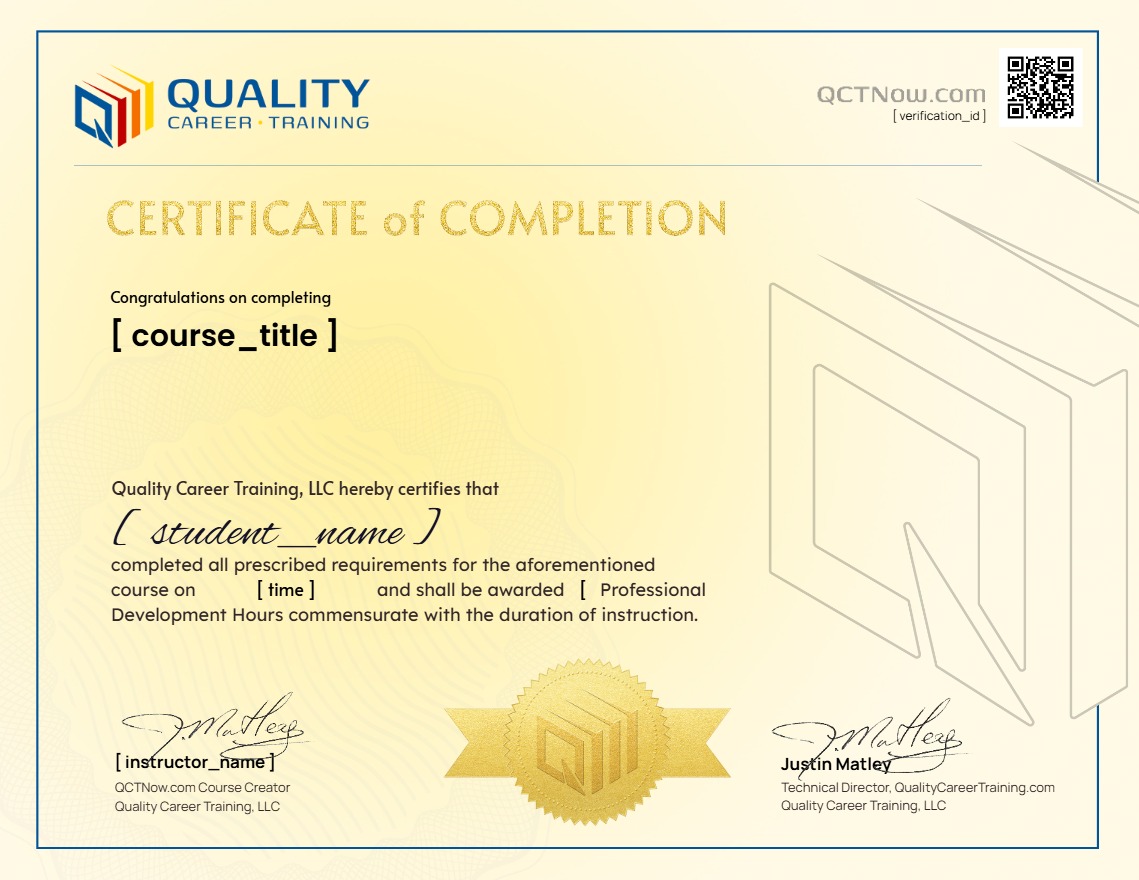

selected template

Want to receive push notifications for all major on-site activities?

✕