


U.S.
Based

Veteran
Owned
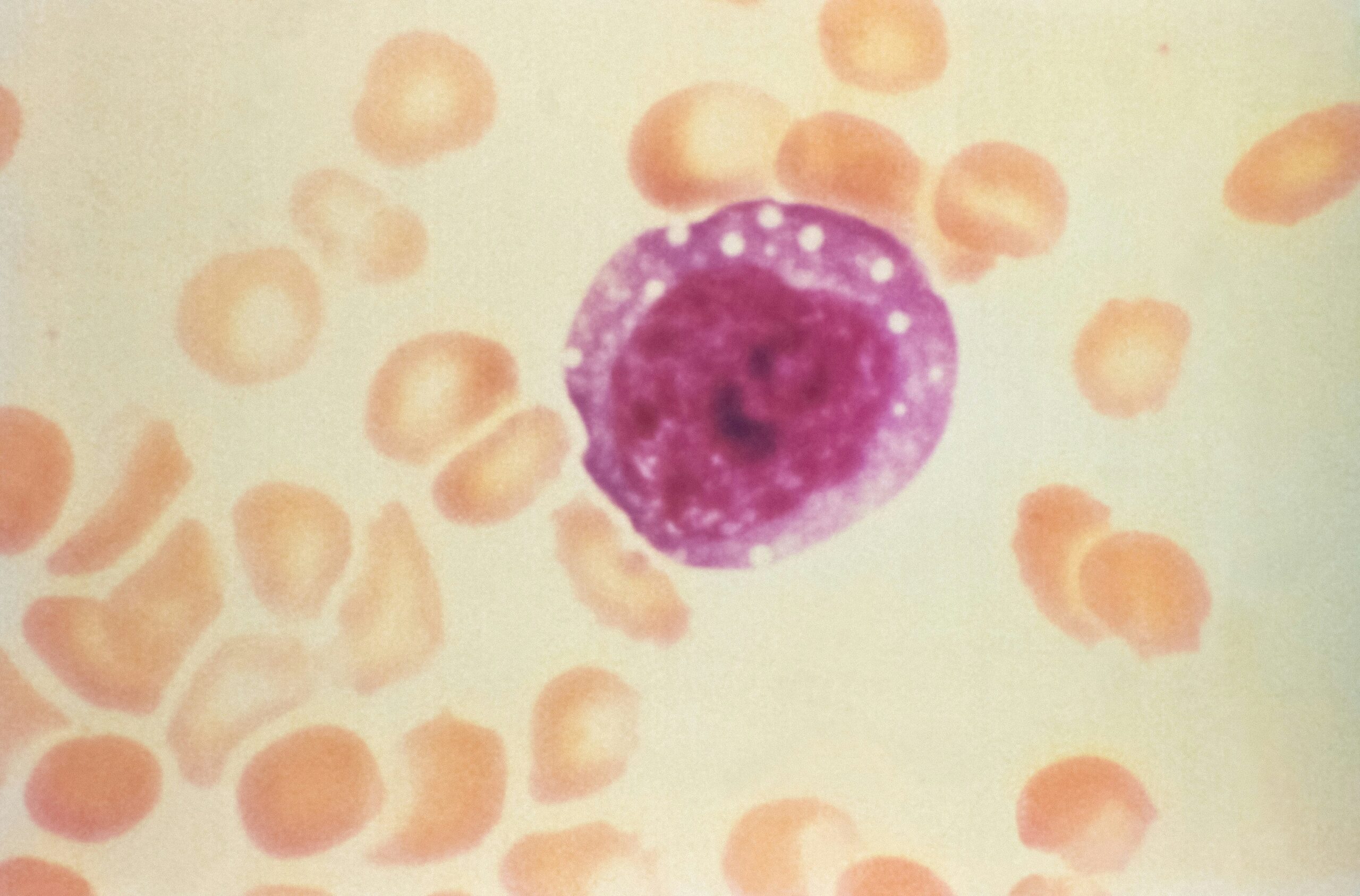
This comprehensive 29 CFR 1910.1030 training course provides professionals with an understanding of the Occupational Safety and Health Administration (OSHA) regulations designed to protect workers from exposure to blood and other potentially infectious materials. Participants learn the requirements for developing and implementing exposure control plans, identifying occupational hazards, applying universal precautions, and establishing safe work practices. The course examines engineering controls, personal protective equipment (PPE), hepatitis B vaccination requirements, exposure incident procedures, and methods for preventing the transmission of bloodborne pathogens, including HIV and hepatitis B and C viruses.
Designed for healthcare professionals, laboratory personnel, safety managers, compliance officers, and employees working in environments with potential exposure to bloodborne pathogens, this self-paced online course addresses practical applications of OSHA bloodborne pathogen regulations. Participants gain knowledge of hazard communication, employee training, medical surveillance, post-exposure evaluation and follow-up, recordkeeping, and special requirements for HIV and HBV research laboratories and production facilities. Successful completion includes a certificate documenting professional training in 29 CFR 1910.1030 Bloodborne Pathogens requirements and application.
Add this certificate to your resume to demonstrate your skills & increase chances for hiring and promotions.

Want to receive push notifications for all major on-site activities?