

5.00
(1 Rating)

ISO 13485:2016 Medical devices – Quality management systems – Requirements for regulatory purposes. Requirements, application, and auditing.

Categories: Quality Tools
Wishlist Share

About Course

ISO 13485:2016 Medical devices – Quality management systems – Requirements for regulatory purposes. Requirements, application, and auditing.

What Will You Learn?

  • You will learn how to apply and audit the ISO 13485:2016 requirements for medical device quality management systems.

Course Content

Acknowledgements and Attestation

  • Submit Acknowledgements and Attestation

1 Scope
Section 1 Scope explains that the standard applies to organizations that provide medical devices or related services and need to show they can consistently meet customer and regulatory requirements. It covers organizations involved in any part of the medical device life cycle, such as design, production, storage, distribution, installation, servicing, technical support, or supplying products and services to medical device organizations. The requirements apply to organizations of any size or type, and associated services are treated the same as medical devices when requirements apply. If an organization outsources or does not directly perform a required process, it is still responsible for controlling and monitoring that process within its quality management system. Certain requirements may be excluded or considered not applicable only when allowed by regulatory requirements or when justified based on the organization’s activities or device type, and those justifications must be documented.

2 Normative references

3 Terms and definitions

4 Quality management system
Section 4 Quality management system requires the organization to establish, document, implement, and maintain an effective quality management system that meets ISO 13485 and applicable regulatory requirements. This includes identifying the organization’s regulatory role, defining and controlling QMS processes, applying a risk-based approach, ensuring resources and records are available, controlling changes, managing outsourced processes, and validating QMS software. The organization must also maintain required documentation, including a quality manual, medical device files, controlled documents, and controlled records. Records and documents must remain legible, identifiable, retrievable, protected, retained for required periods, and controlled to prevent unintended use of obsolete or incorrect information.

5 Management responsibility
Section 5 Management responsibility specifies Top management is responsible for leading and supporting the quality management system by showing commitment, setting the quality policy, establishing measurable quality objectives, providing resources, and ensuring customer and regulatory requirements are met. Management must clearly define and communicate responsibilities and authority, appoint a management representative to oversee QMS processes and report on effectiveness, and ensure internal communication about QMS performance. The organization must also conduct documented management reviews at planned intervals using inputs such as feedback, complaints, audits, process and product performance, corrective and preventive actions, regulatory changes, and prior review actions. These reviews must produce recorded decisions and actions related to QMS improvements, product improvements, regulatory changes, and resource needs.

6 Resource management
Section 6 Resource management focuses on ensuring the organization has the right resources, people, infrastructure, work environment, and contamination controls needed to support product quality and meet regulatory and customer requirements. In plain language, the organization must provide enough resources to operate and maintain an effective quality management system, make sure personnel are competent through education, training, skills, and experience, and keep records showing this competence. It must also define and maintain the infrastructure needed for product conformity, including buildings, equipment, utilities, information systems, and maintenance activities. In addition, the organization must control the work environment when conditions could affect product quality, including cleanliness, clothing, health requirements, and supervision under special conditions. For contamination control, the organization must plan and document how it prevents contamination of products, personnel, and the work environment, especially for sterile medical devices where control of microorganisms and particles is critical.

7 Product realization
Section 7 Product realization requires the organization to plan, document, control, and keep records for all activities needed to turn product requirements into a finished medical device that is safe, effective, and compliant. This includes planning product realization, managing risk, determining and reviewing customer and regulatory requirements, controlling design and development, qualifying and monitoring suppliers, controlling production and service activities, maintaining traceability, preserving product quality, and ensuring monitoring and measuring equipment is suitable and controlled. The overall intent is to make sure each stage of product realization is clearly defined, properly reviewed, risk-based, documented, and supported by objective evidence that the product meets requirements before it is released or used.

8 Measurement, analysis and improvement
Section 8 Measurement, analysis and improvement focuses on using measurement, monitoring, analysis, and improvement activities to confirm that products meet requirements, the quality management system remains effective, and problems are identified and corrected. The organization must collect and review feedback, handle complaints, report applicable issues to regulatory authorities, conduct internal audits, monitor processes and products, control nonconforming product, analyze quality data, and take corrective and preventive actions. Records must be maintained throughout these activities to demonstrate that decisions, investigations, corrections, rework, releases, and improvement actions were properly documented and completed.

ISO 13485:2016 Medical devices – Quality management systems – Requirements for regulatory purposes Final Exam

Earn a Certificate

Add this certificate to your resume to demonstrate your skills & increase chances for hiring and promotions.
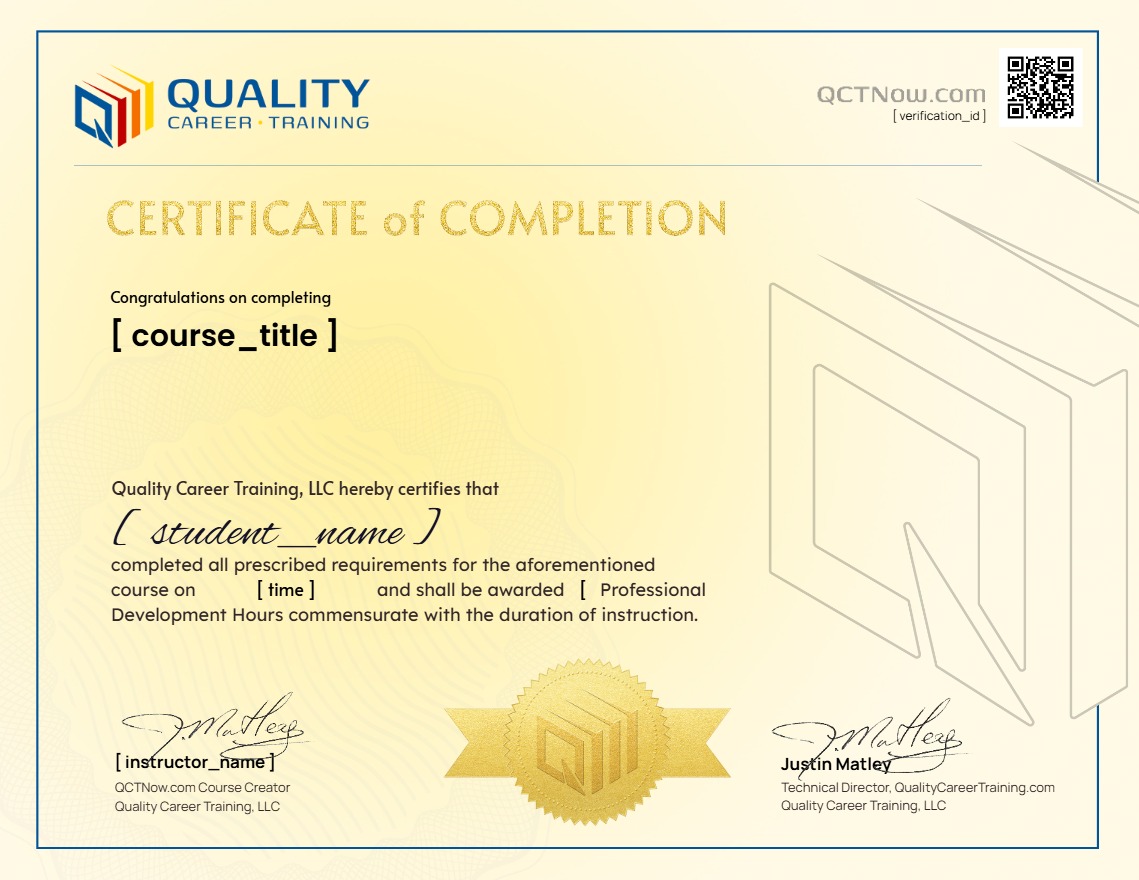

selected template

Student Ratings & Reviews

5.0
Total 1 Rating
5
1 Rating
4
0 Rating
3
0 Rating
2
0 Rating
1
0 Rating
MD
1 week ago
Great course. Covered the standard fully!

Want to receive push notifications for all major on-site activities?