

ISO 9001:2026 Quality management systems — Requirements, application, and auditing
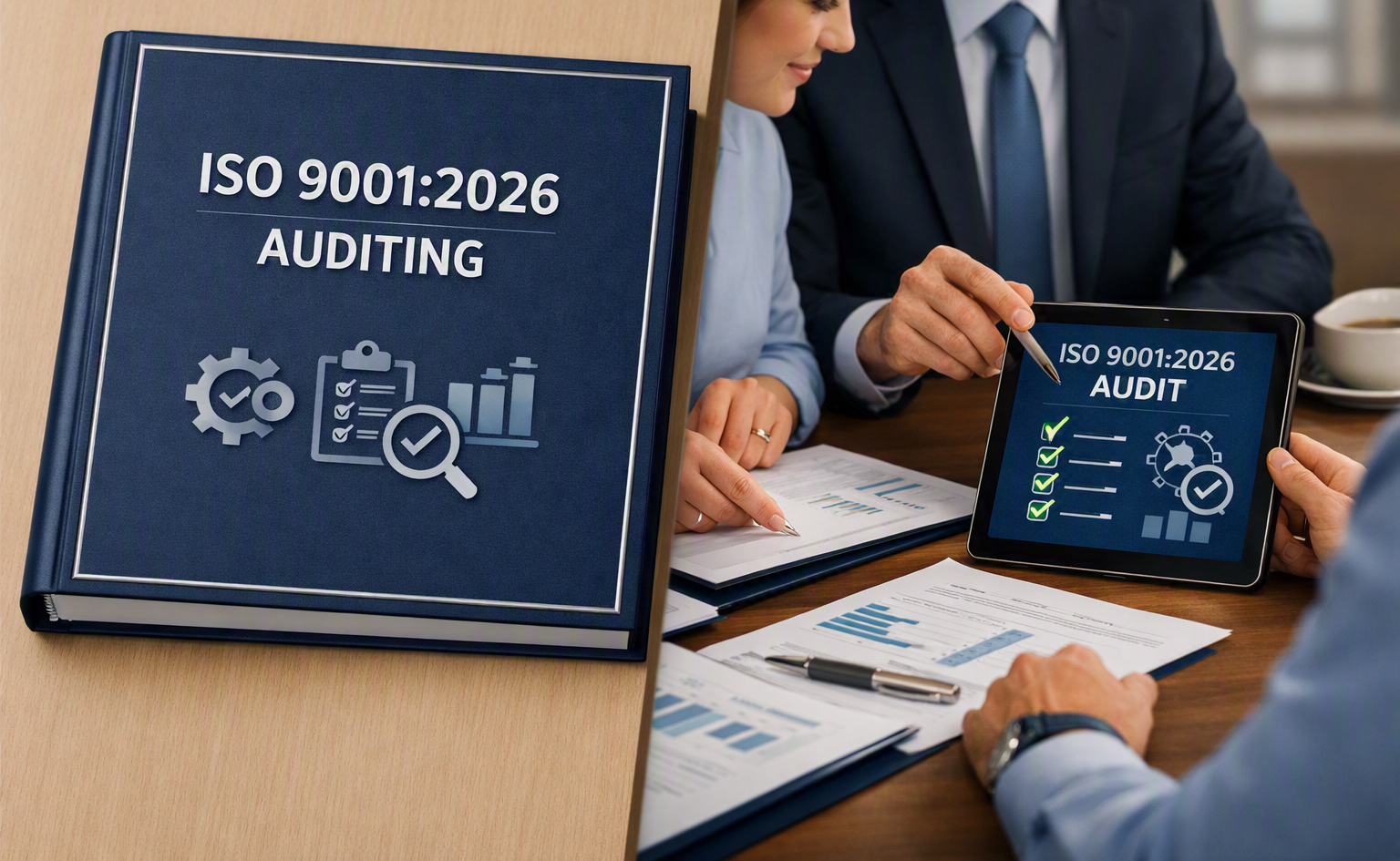
Categories: Auditing, Standards
Wishlist Share

About Course

Get a practical understanding of ISO 9001:2026 and learn how its requirements apply to real-world Quality Management Systems (QMS).

This course walks you through the key requirements of ISO 9001:2026, including leadership, quality culture, risk and opportunity, documented information, operational controls, performance evaluation, internal auditing, corrective action, and continual improvement. Along the way, you’ll learn not just what the standard requires, but how to apply those requirements and evaluate whether they are working effectively.

Designed for quality professionals, managers, auditors, and compliance personnel, this course gives you the knowledge and confidence to work with ISO 9001:2026 requirements in your organization and prepare for audits.

Complete the course and final exam to earn a Certificate of Completion documenting your ISO 9001:2026 training and Professional Development Hours.

NOTE: Become a Lead Auditor by completing the two courses in the ISO 9001:2026 – Lead Auditor bundle with a 20% savings.

Show More

Course Content

Acknowledgements and Attestation

  • Submit Acknowledgements and Attestation

1 Scope

2 Normative references

3 Terms and definitions

4 Context of the organization
Section 4 4 Context of the organization requires the organization to understand the internal and external factors that can affect its quality management system, including whether climate change is relevant. The organization must identify the interested parties that matter to the quality management system, understand their relevant requirements, and decide which of those requirements will be addressed. The organization must also define the scope of the quality management system by considering its context, interested parties, and the products and services it provides. In addition, the organization must establish, implement, maintain, and continually improve the quality management system and its processes, including defining inputs, outputs, responsibilities, resources, risks, performance measures, and needed improvements. Documented information must be maintained as needed to support process operation and provide evidence that processes are being carried out as planned.

5 Leadership
Section 5 Leadership requires Top management to actively leading and supporting the quality management system, not just approving it. Leaders must ensure the quality policy and objectives align with the organization’s strategic direction, provide the resources needed, integrate quality requirements into daily business processes, promote a strong quality culture and ethical behavior, and take accountability for whether the system is effective. They must also keep customer focus at the center of the organization by understanding and meeting customer, statutory, and regulatory requirements, addressing risks and opportunities that could affect products or services, and working to improve customer satisfaction. In addition, top management must establish, maintain, communicate, and make available a quality policy that supports quality objectives and continual improvement. Finally, leaders must clearly assign, communicate, and ensure understanding of responsibilities and authorities so the quality management system operates effectively, meets requirements, delivers intended results, promotes customer focus, identifies improvement opportunities, and remains intact when changes are made.

6 Planning
Section 6 Planning requires the organization to plan its quality management system by identifying risks and opportunities that could affect its ability to achieve intended results, provide conforming products and services, improve customer satisfaction, and drive continual improvement. Risks must be analyzed, evaluated, and addressed with actions that are appropriate to their potential impact, and the organization must determine how those actions will be integrated into QMS processes and evaluated for effectiveness. Opportunities must also be identified and planned for in a way that supports improved performance, customer satisfaction, and product or service conformity. In addition, the organization must establish measurable quality objectives that align with the quality policy, are monitored, communicated, updated, documented, and supported by clear plans defining what will be done, needed resources, responsibility, timing, and evaluation methods. Any changes to the QMS must be planned and controlled to protect system integrity, ensure resources and responsibilities are addressed, communicate changes effectively, and evaluate whether the changes achieved their intended results.

7 Support
Section 7 Support requires the organization to provide the support needed for an effective quality management system. This includes having adequate resources, competent people, suitable infrastructure, an appropriate work environment, reliable monitoring and measuring resources, and the organizational knowledge needed to run processes and achieve intended results. The organization must also ensure personnel are competent and aware of the quality policy, objectives, their role in QMS effectiveness, and the consequences of not meeting requirements. In addition, the organization must define how internal and external communications are handled and control documented information so it is properly created, reviewed, approved, available, protected, updated, retained, and disposed of as needed.

8 Operation
Section 8 Operation requires the organization to plan, control, and document the processes needed to deliver products and services that meet customer, statutory, regulatory, and internal requirements. This includes defining process criteria, acceptance criteria, required resources, customer communication methods, product and service requirements, design and development controls, supplier controls, production and service controls, identification and traceability, preservation, post-delivery activities, release controls, change control, and handling of nonconforming outputs. In plain language, the organization must make sure work is planned, performed under controlled conditions, verified before release, documented when necessary, and corrected when something does not meet requirements.

9 Performance evaluation
Section 9 Performance evaluation requires the organization to regularly monitor, measure, analyze, and evaluate how well its quality management system is performing. This includes deciding what information needs to be tracked, how and when it will be measured, and when results will be reviewed. The organization must monitor customer satisfaction, analyze relevant data, evaluate product and service conformity, review process performance, assess external provider performance, and identify opportunities for improvement. Internal audits must be planned and performed to confirm that the quality management system meets both the organization’s requirements and the standard’s requirements, and that it is effectively implemented and maintained. Top management must also review the quality management system at planned intervals to ensure it remains suitable, adequate, effective, and aligned with the organization’s strategic direction. Records must be maintained as evidence of monitoring results, audit activities, and management review outcomes.

10 Improvement
Section 10 Improvement requires the organization to continually improve its quality management system by using information from monitoring, measurement, data analysis, evaluation, and management review to identify improvement opportunities. Improvement should focus on making processes, products, and services better, meeting future needs and expectations, and preventing or reducing unwanted outcomes. When a nonconformity occurs, the organization must respond appropriately by controlling and correcting the issue, addressing its consequences, determining the cause, checking whether similar problems exist or could occur, taking needed corrective action, reviewing whether the action was effective, updating risks and opportunities if needed, and making changes to the quality management system when necessary. The organization must also keep documented evidence of the nonconformity, actions taken, and results of corrective actions.

Annex A
Annex A requires organizations to understand and apply the clauses of the quality management system from a systems perspective, recognizing that requirements are interconnected rather than isolated. Annex A is intended to clarify the meaning, structure, and terminology of the standard without adding, removing, or changing any requirements. It explains that organizations are not required to organize their documented information using the same clause structure or exact terminology as the standard, as long as their quality management system effectively addresses the requirements. It also clarifies key terms such as “appropriate,” “applicable,” “consider,” “take into account,” “ensure,” and “documented information” to help prevent misunderstanding and support consistent implementation.

Final Exam
This final exam is administered to demonstrate the participant’s understanding and comprehension of the course materials. A score of 80% or greater is required to receive a Certificate of Completion.

Earn a Certificate

Add this certificate to your resume to demonstrate your skills & increase chances for hiring and promotions.
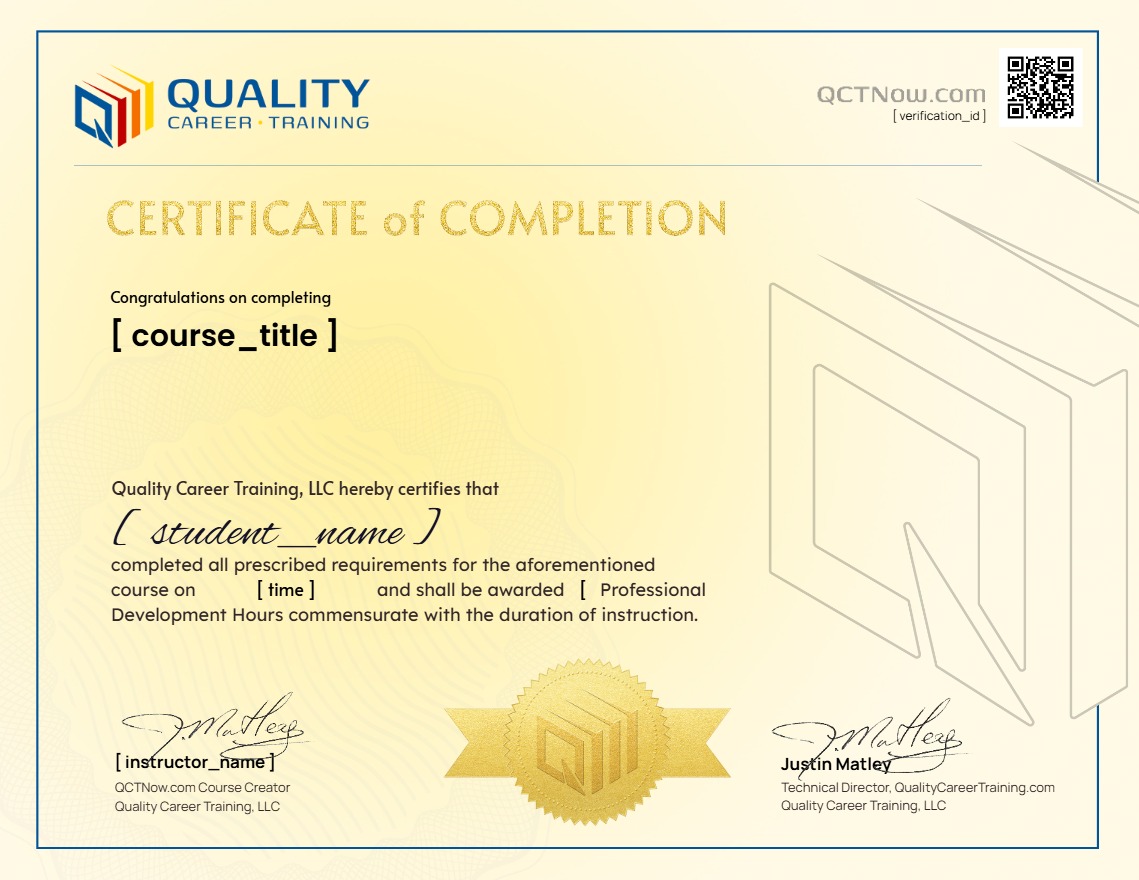
selected template

Student Ratings & Reviews

No Review Yet
No Review Yet

Want to receive push notifications for all major on-site activities?